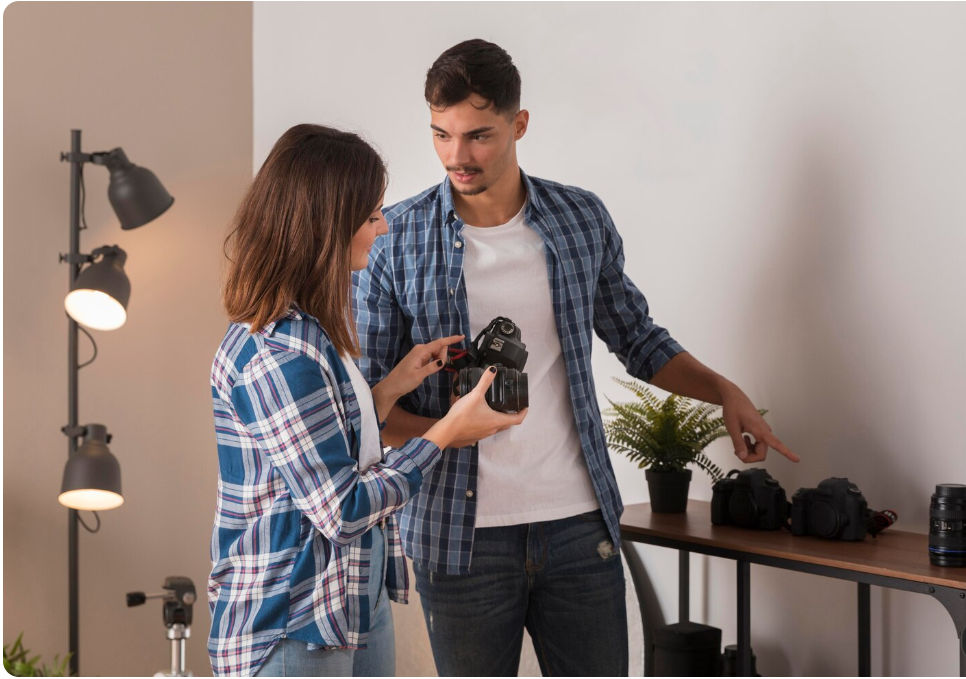
Starting a photo booth business can be an exciting opportunity for entrepreneurs who enjoy photography, events, creativity, and customer service. Photo booths are popular at weddings, birthday parties, corporate events, school celebrations, festivals, and promotional activities. They give guests an entertaining experience while creating photographs and videos they can share or keep as memories.
The business can also be started on a relatively small scale. Instead of opening a traditional photography studio, you can purchase a portable photo booth, transport it to different events, and charge customers for a few hours of service. As bookings increase, you can expand your equipment, introduce premium packages, and build relationships with event planners and venues.
However, success requires more than purchasing a camera and setting up a backdrop. You need to understand your target market, choose the right booth type, calculate startup expenses, select reliable software, establish pricing, and promote your services.
This guide explains how to start a photo booth business step by step, including equipment, costs, business registration, marketing, event packages, and strategies for attracting your first customers.
Key Takeaways
- Research your local event market before purchasing equipment.
- Choose a booth type that matches your target customers and budget.
- Start with one reliable booth instead of investing in several expensive setups.
- Purchase suitable cameras, lighting, software, backdrops, and printing equipment.
- Register your business and check local insurance and permit requirements.
- Offer clear packages for weddings, birthdays, corporate events, and other celebrations.
- Use written contracts and collect deposits to protect your bookings.
- Promote your business through social media, event planners, venues, and referrals.
- Protect customer photographs and obtain permission before using images for marketing.
- Reinvest profits into equipment and services that customers actually request.
1. Understand What a Photo Booth Business Does
A photo booth business provides equipment and photography experiences at events. Guests use the booth to take photographs, record short videos, create digital content, and sometimes receive printed photographs immediately.
Most photo booth companies operate through an event rental model. Customers pay to have a booth available at their event for a specified period.
For example, a couple planning a wedding may hire a photo booth company for three hours. The company delivers the equipment, sets it up, provides an attendant if included in the package, and manages the experience until the event finishes.
Common Photo Booth Services
A photo booth business can offer several services depending on its equipment and target audience.
- Digital photo booth: Guests take pictures and receive digital copies through supported sharing options.
- Printed photo booth: Guests receive physical photographs or photo strips.
- 360-degree video booth: Guests stand on a platform while a camera moves around them to create short videos.
- Mirror photo booth: An interactive mirror-style display allows guests to take photographs and interact with on-screen prompts.
- Glamour photo booth: Uses professional lighting and image processing to create polished portrait-style photographs.
- AI photo booth: Uses supported artificial intelligence tools to transform photographs into themed or artistic images.
- Green-screen booth: Places guests against digitally selected backgrounds.
- Corporate-branded booth: Includes company logos, branded overlays, and customised digital experiences.
You do not need to provide every service when starting. Choose one main offering, learn how to operate it professionally, and expand when customer demand supports additional investment.
2. Research Your Local Photo Booth Market
Before purchasing equipment, investigate whether people in your target area are interested in photo booth rentals.
Market research helps you understand customer expectations, competitor pricing, popular events, and the types of experiences people are willing to pay for.
Identify Your Target Customers
Different customers may want different photo booth experiences.
| Customer Type | Potential Services |
|---|---|
| Wedding couples | Custom photo templates, printed pictures, guest books |
| Birthday parties | Fun props, digital photographs, themed backdrops |
| Corporate businesses | Branded photographs, promotional experiences |
| Schools and colleges | Graduation booths, party photography |
| Event planners | Complete photo booth rental packages |
| Hotels and resorts | Entertainment booths for celebrations |
| Shopping centres | Interactive promotional photo experiences |
| Festivals | Digital sharing and instant-print services |
Start by identifying the customer group most likely to book your services regularly.
For example, wedding-focused businesses may benefit from partnerships with wedding planners and banquet halls. A company targeting corporate events may need professional branding options and reliable business-to-business communication.
Study Your Competitors
Search online for photo booth companies in your service area.
Review their:
- Booth styles and equipment.
- Package prices.
- Event duration.
- Digital and printing options.
- Customer reviews.
- Website quality.
- Social media content.
- Service areas.
- Additional charges.
Look for gaps in the market. Perhaps competitors provide basic photography but do not offer personalised templates, attractive backdrops, or quick digital delivery.
Your goal should be to offer a better customer experience rather than simply charging the lowest price.
3. Choose the Right Photo Booth Business Model
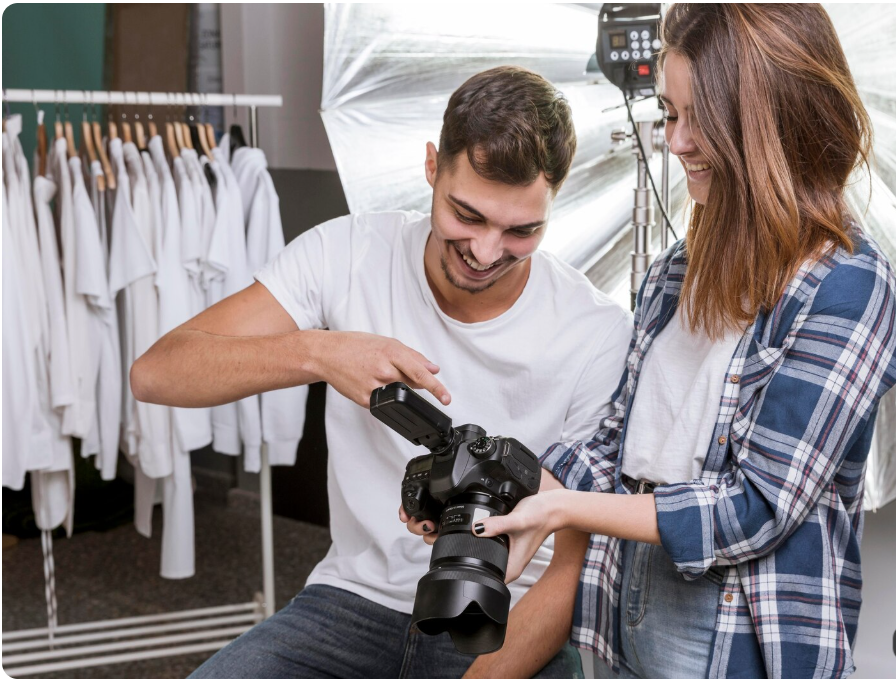
Choosing the right business model is one of the most important decisions when starting.
Your model determines how much equipment you need, how much you charge, and how you manage bookings.
Event Rental Business
This is a common model for new photo booth operators.
You own the equipment and rent it to customers for specific events.
Potential advantages include:
- No permanent retail location is required.
- You can operate on weekends.
- You can serve different types of events.
- You can build relationships with event planners.
- You can expand by purchasing additional booths.
Permanent Location Business
You can also install a photo booth in a location such as a shopping centre, entertainment venue, cinema, or tourist attraction.
Customers pay per session to use the booth.
This model can create revenue throughout the day, but you may need to negotiate rental agreements, pay location fees, maintain equipment, and arrange regular supervision.
Corporate Event Business
Corporate photo booth services focus on business events, exhibitions, product launches, conferences, and promotional campaigns.
Companies may request customised branding, digital galleries, branded photographs, and interactive experiences.
These bookings can be valuable, but customers may expect professional contracts, dependable equipment, and clear service standards.
Hybrid Business Model
A hybrid model combines event rentals with permanent installations or corporate bookings.
You can begin with event rentals and later explore additional opportunities when your equipment and finances allow.
4. Choose Your Photo Booth Type
The booth you purchase has a direct impact on your startup budget and the services you can offer.
Each type has different advantages and operational requirements.
Open-Air Photo Booth
<AsyncImage query=”modern open air photo booth wedding event backdrop camera ring light” aspectRatio=”16:9″ width=”100%”/>
An open-air booth uses a camera or tablet positioned in front of a backdrop.
It is suitable for weddings, birthdays, school functions, and corporate events.
Advantages include:
- Flexible group photographs.
- Easy transportation.
- Customisable backgrounds.
- Simple event setup.
- Options for printed and digital photographs.
It is often a practical starting option for a new business.
360-Degree Photo Booth
<AsyncImage query=”360 degree video photo booth platform event guests rotating camera arm” aspectRatio=”16:9″ width=”100%”/>
A 360-degree booth uses a rotating camera arm to capture short videos around guests standing on a platform.
The videos can be edited with music, effects, and branded overlays.
It is popular for parties, weddings, brand activations, and social-media-focused events.
However, the platform requires careful operation and supervision. You must follow manufacturer safety instructions and ensure that guests use it appropriately.
Mirror Photo Booth
<AsyncImage query=”full length interactive mirror photo booth wedding event” aspectRatio=”16:9″ width=”100%”/>
A mirror booth combines a reflective display with interactive photography features.
It can create a premium experience at weddings, formal celebrations, and corporate events.
The equipment may be more expensive and less portable than a simple open-air setup.
Enclosed Photo Booth
<AsyncImage query=”classic enclosed vintage photo booth four frame photo strip event” aspectRatio=”16:9″ width=”100%”/>
An enclosed booth provides a private space where guests can take photographs.
It is suitable for certain entertainment venues, parties, and permanent installations.
The enclosure can create a traditional photo booth experience, but transportation, storage, and setup may be more complicated.
AI Photo Booth
<AsyncImage query=”AI photo booth event digital portrait transformation screen interactive kiosk” aspectRatio=”16:9″ width=”100%”/>
An AI photo booth uses software to transform photographs into different artistic styles or themed images.
For example, guests might receive a vintage portrait, cartoon-inspired image, or branded digital creation.
If you offer AI-generated images, clearly explain how customer photographs are processed, stored, and used. Avoid promising effects or privacy protections that your software provider does not actually support.
5. Create a Photo Booth Business Plan
A business plan helps you understand your expenses, customers, pricing, and growth opportunities.
You do not need a complicated document when starting. A practical plan should explain what you will offer, who will buy it, and how the business will generate revenue.
Include These Important Sections
Business overview: Describe your company, business name, location, ownership, and services.
Target audience: Identify whether you want to serve weddings, private parties, schools, corporate events, or permanent locations.
Competitor analysis: Research other photo booth providers and compare their services.
Equipment requirements: List the booth, camera, lighting, printer, software, and accessories you need.
Startup budget: Estimate equipment, registration, insurance, marketing, transport, and working-capital requirements.
Pricing strategy: Decide how much to charge for different event packages.
Marketing plan: Explain how you will attract customers through social media, referrals, websites, and event partnerships.
Financial projections: Estimate bookings, revenue, recurring expenses, and expected profitability.
Set Clear Business Goals
Start with realistic milestones.
For example:
- Complete your first three paid bookings.
- Build a portfolio of professional event photographs.
- Develop relationships with five event planners.
- Receive your first customer reviews.
- Establish a consistent monthly booking target.
- Save enough money to upgrade your equipment.
Review your goals as your business develops.
6. Calculate Your Photo Booth Business Startup Costs
Startup costs vary depending on the booth type, equipment quality, printing requirements, and location.
A simple digital booth may require less investment than a premium DSLR setup or a 360-degree platform.
Main Startup Expenses
Photo booth hardware: Includes the booth stand, enclosure, platform, camera mount, or mirror display.
Camera or tablet: Captures photographs and videos.
Lighting: Improves image quality and helps create consistent results.
Photo booth software: Controls the capture process, templates, effects, galleries, and sharing.
Printer: Required if you want to provide instant physical photographs.
Backdrops and props: Help create different themes and experiences.
Transportation: Includes protective cases, storage, vehicle expenses, and loading equipment.
Registration and insurance: Covers applicable business requirements and risk protection.
Marketing: Includes website development, business cards, advertising, and promotional materials.
Example Startup Budget Categories
| Expense Category | What It Covers |
|---|---|
| Booth hardware | Stand, shell, mirror, or 360 platform |
| Camera or tablet | Image and video capture |
| Lighting | Ring lights, LED panels, or flashes |
| Printer | Instant photo printing |
| Software | Capture, editing, sharing, and templates |
| Backdrops | Fabric, custom, or themed backgrounds |
| Props | Hats, glasses, signs, and accessories |
| Transportation | Cases, vehicle, fuel, and storage |
| Marketing | Website, advertising, and branding |
| Working capital | Software renewals and operating expenses |
As an illustrative international benchmark, some 2026 equipment guides place a basic iPad setup in the low thousands of US dollars, while professional DSLR, mirror, or 360-degree setups can require several thousand dollars or more. These are not universal prices. Import duties, taxes, local suppliers, and equipment quality can change the actual cost significantly.
If you are operating in India, request quotations from local suppliers and include GST, shipping, installation, and after-sales support in your calculations.
How to Reduce Startup Costs
- Start with one versatile open-air booth.
- Use a compatible tablet or camera you already own.
- Purchase essential accessories first.
- Rent specialised equipment for occasional bookings.
- Start with one or two backdrops.
- Avoid buying several expensive printers before demand is established.
- Compare local suppliers and warranty conditions.
- Reinvest profits into additional equipment.
A lean launch can help you test the market before committing to a large investment.
7. Buy the Essential Photo Booth Equipment
Your equipment determines the quality and reliability of the experience you provide.
A professional-looking setup can help you attract customers and encourage repeat bookings.
<AsyncImageGroup query={[“professional DSLR photo booth setup camera ring flash printer event”,”portable iPad photo booth stand ring light”,”photo booth dye sublimation printer instant prints”,”photo booth wedding backdrop props table setup”]} aspectRatio=”5:4″ layout=”bento”/>
Camera or Tablet
Your capture device is the centre of the photo booth.
Possible options include:
- iPad.
- Compatible Android tablet.
- DSLR camera.
- Mirrorless camera.
- Supported smartphone.
A tablet-based setup can be easier to transport, while a DSLR or mirrorless camera can offer more control over image quality and lighting.
Lighting Equipment
Good lighting is essential for attractive photographs.
Depending on your setup, you may need:
- Ring light.
- LED panel.
- Softbox.
- External flash.
- Light stand.
- Diffuser.
Test the lighting in different event environments before accepting paid bookings.
Photo Printer
If you offer printed photographs, choose a printer designed for the workload you expect.
Dye-sublimation printers are commonly used for event photo printing because they can produce consistent prints quickly.
Check:
- Print speed.
- Print sizes.
- Media availability.
- Cost per print.
- Maintenance requirements.
- Compatibility with your software.
Backdrops and Props
Backdrops help personalise the booth experience.
Start with versatile options such as white, black, neutral, or decorative backgrounds.
Props may include:
- Sunglasses.
- Hats.
- Funny signs.
- Frames.
- Themed accessories.
- Custom event props.
Keep props clean, organised, and appropriate for the event.
Protective Cases and Accessories
A mobile photo booth business needs reliable transport equipment.
Consider purchasing:
- Protective flight cases.
- Extension cables.
- Power strips with suitable safety protection.
- Cable covers.
- Backup charging equipment.
- Spare cables.
- Storage containers.
- A trolley or hand truck.
Always test your equipment before transporting it to a customer’s event.
8. Choose the Right Photo Booth Software
Photo booth software controls the capture experience and provides tools for customisation and delivery.
The right software can make your business easier to manage and improve the experience for guests.
Important Software Features
Look for software that supports:
- Photo capture.
- Video recording, where required.
- Custom templates.
- Digital galleries.
- QR-code sharing.
- Email or text delivery, where supported.
- Printing integration.
- Background effects.
- Event-specific settings.
- Branding and overlays.
- Data and privacy controls.
Popular Software Options
Some established photo booth software products include:
- Simple Booth: Provides photo booth applications and event-focused features.
- Snappic: Offers tools for event photography and interactive experiences.
- dslrBooth: Supports compatible camera-based photo booth workflows.
- LumaBooth: Provides tablet-based photo booth functionality.
- Darkroom Booth: Offers tools for photo booth capture and event customisation.
Compare supported devices, software licensing, commercial-use permissions, printing compatibility, subscription costs, and customer support before selecting a product.
Do not assume that every subscription includes unlimited events, printing, AI effects, or digital delivery.
9. Register Your Photo Booth Business
Business registration helps establish your company and makes it easier to work with professional customers.
Legal requirements depend on your country, state, and business model.
Choose a Business Structure
Common structures include:
| Business Structure | General Characteristics |
|---|---|
| Sole proprietorship | Often suitable for an individual starting a small service business |
| Partnership | Suitable for two or more business owners |
| Limited liability company | Provides a separate legal structure where available |
| Corporation | May suit larger businesses with more complex ownership |
Consider the tax, liability, and administrative implications before selecting a structure.
Select a Business Name
Choose a name that is memorable and communicates your service.
Examples include:
- Snap Moments Photo Booth.
- FlashFrame Events.
- Happy Click Photo Booth.
- Picture Perfect Experiences.
- Click & Celebrate Booths.
Check name availability and trademark requirements before using the name commercially.
Check Registration and Permit Requirements
Depending on your location and services, you may need:
- Business registration.
- Tax registration.
- Local trade permissions.
- Commercial vehicle compliance.
- Venue or event-specific permissions.
- Employment registrations if you hire workers.
In India, you can investigate appropriate business structures, GST requirements, and the official Udyam MSME registration process. GST applicability depends on the relevant tax rules, turnover, and nature of the business. Do not assume that every new photo booth business must register immediately.
For permanent installations in shopping centres or entertainment venues, check local operating and establishment requirements.
10. Get Appropriate Insurance and Protect Your Equipment
Photo booth equipment is often transported to busy events where guests, staff, cables, and furniture share the same space.
Insurance can help manage certain risks.
Public or General Liability Insurance
This may cover eligible third-party injury or property damage claims, subject to policy terms.
For example, a guest might trip over an unsecured cable or an equipment stand might accidentally damage venue property.
Equipment Insurance
Consider coverage for theft, accidental damage, and equipment loss during transportation or storage.
Commercial Vehicle Coverage
If you use a vehicle for business deliveries, confirm that your insurance permits commercial use.
Employee Coverage
If you hire attendants or technicians, check local employment and workplace insurance requirements.
Some venues require proof of liability insurance before allowing vendors to set up. Confirm the required coverage and certificate details before accepting a booking.
11. Create Attractive Photo Booth Packages
Packages make it easier for customers to understand your services and compare different options.
Instead of providing a confusing list of individual charges, create a few clear choices.
Basic Digital Package
This package can include:
- Photo booth rental.
- Basic backdrop.
- Digital photographs.
- Standard templates.
- QR-code sharing, if supported.
- Setup and removal.
It can be suitable for smaller birthday parties and private celebrations.
Standard Print Package
This package can include:
- Photo booth rental.
- Professional lighting.
- Custom event template.
- Instant photo printing.
- Props.
- Digital gallery.
- Event attendant.
It may suit weddings, anniversaries, and larger celebrations.
Premium Event Package
A premium package can include:
- Extended operating hours.
- Custom backdrop.
- Personalised photo templates.
- Premium props.
- Printed photographs.
- Digital gallery.
- Branded experience.
- Additional event support.
360-Degree Video Package
This package can offer:
- 360-degree platform.
- Camera and lighting.
- Video capture.
- Music and effects.
- Digital delivery.
- Event supervision.
Make sure the package description clearly explains what is included and what costs extra.
12. Set Profitable Photo Booth Rental Prices
Pricing is one of the most important parts of running a successful photo booth business.
Your charges should cover equipment, labor, transport, software, printing materials, marketing, and profit.
Common Pricing Methods
Hourly pricing: Charge based on the number of hours the booth operates.
Fixed event packages: Charge a set price for two, three, or four hours.
Premium pricing: Charge more for custom backdrops, branded designs, specialised equipment, or additional attendants.
Corporate pricing: Create customised quotations for exhibitions, product launches, and promotional campaigns.
Calculate Your Event Costs
Use a simple formula:
Event price = Labor + Travel + Printing materials + Equipment costs + Software allocation + Overhead + Profit
For example, a three-hour event may require:
- Preparation and testing before departure.
- Transportation to the venue.
- Setup and testing.
- Event supervision.
- Printing materials.
- Equipment packing and return travel.
- Cleaning and maintenance.
- Administrative work.
Remember that a three-hour booking can involve significantly more than three hours of actual work.
Create a Pricing Structure
You can create packages with different operating times and features.
| Package | Suggested Duration | Main Features |
|---|---|---|
| Starter | 2 hours | Digital photographs and basic backdrop |
| Classic | 3 hours | Digital sharing, props, and custom template |
| Premium | 4 hours | Prints, attendant, custom design, and gallery |
| Corporate | Custom | Branding, reporting, and customised experience |
Actual prices should be based on local customer demand, competitor rates, and your costs. Do not copy another company’s prices without checking whether its expenses and service inclusions are comparable.
13. Write Professional Contracts and Booking Agreements
A written agreement helps protect your business and makes expectations clear.
Before confirming an event, provide a contract explaining the service details.
Important Contract Information
Include:
- Customer name and contact details.
- Event date and venue.
- Arrival and setup time.
- Operating hours.
- Booth type.
- Included services.
- Total price.
- Deposit and payment schedule.
- Cancellation policy.
- Overtime charges.
- Damage responsibilities.
- Power and space requirements.
- Photo storage and delivery arrangements.
- Privacy and image-use permissions.
Collect a Booking Deposit
A deposit can help confirm the booking and reduce cancellations.
State clearly whether it is refundable, transferable, or subject to cancellation conditions.
Use a payment process that provides customers with a receipt and confirms the remaining balance.
Explain Venue Requirements
Before the event, confirm:
- Available floor space.
- Power supply.
- Access and loading arrangements.
- Setup restrictions.
- Venue insurance requirements.
- Internet connectivity, if required.
Clear communication helps prevent problems on event day.
14. How to Find Your First Photo Booth Customers
You can own excellent equipment and still struggle if potential customers do not know your business exists.
A marketing strategy should help you reach people who regularly organise celebrations and events.
Build a Professional Website
Your website should explain your services and make it easy for visitors to request a quotation.
Include:
- Homepage.
- Booth types.
- Package details.
- Event photographs.
- Customer reviews.
- Service areas.
- Contact information.
- Booking enquiry form.
Make the website mobile-friendly because many customers will discover your business through smartphones.
Use Social Media Marketing
Instagram, Facebook, and other visual platforms can be useful for promoting photo booth services.
Post content such as:
- Booth setup photographs.
- Event highlights.
- Backdrop examples.
- Printed photo samples.
- Short demonstration videos.
- Customer testimonials.
- Custom template designs.
Use relevant local event and wedding hashtags.
Always obtain permission before sharing photographs or videos of identifiable guests.
Create a Google Business Profile
An eligible service-area business can use a Google Business Profile to improve its visibility in local search results.
Add accurate business information, service areas, operating hours, photographs, and contact details.
Ask satisfied customers to provide honest reviews.
Connect With Event Planners
Event planners can become valuable referral partners.
Introduce your services to:
- Wedding planners.
- Party organisers.
- DJs.
- Photographers.
- Banquet halls.
- Hotels.
- Corporate event agencies.
- Decorators.
Offer a professional portfolio and explain how your booth can complement their event services.
Attend Local Events
Consider participating in wedding exhibitions, business networking events, and community celebrations.
A demonstration booth can allow potential customers to experience your service directly.
15. Deliver an Excellent Customer Experience
Customer experience is an important factor in building a successful photo booth company.
People are not simply paying for a camera. They are paying for entertainment, convenience, photographs, and memories.
Prepare Before the Event
Before leaving for a booking:
- Test the camera or tablet.
- Check the printer and media.
- Confirm software settings.
- Load the correct event template.
- Charge batteries.
- Pack spare cables.
- Test lighting.
- Confirm the venue address and arrival time.
Provide Professional Setup
Arrive with enough time to arrange and test the equipment.
Keep cables organised and secure, ensure that the booth is stable, and follow the venue’s safety instructions.
Help Guests Use the Booth
An attendant can explain how to start a session, select props, pose for photographs, and receive prints or digital images.
Friendly assistance can make the experience more enjoyable.
Follow Up After the Event
After the booking:
- Deliver the promised digital gallery.
- Confirm that prints and services were provided.
- Ask for customer feedback.
- Request an honest review.
- Thank the customer for choosing your business.
Good follow-up can help generate repeat bookings and referrals.
16. Protect Customer Photos and Personal Information
Photo booth businesses often collect photographs, contact details, and digital sharing information.
You should establish clear policies for handling this information.
Explain How Photos Are Used
Tell customers whether photographs are stored, shared, emailed, or uploaded to a digital gallery.
Obtain Marketing Permission
A customer’s booking does not automatically mean you can publish photographs of their guests for advertising.
Obtain appropriate permission before using identifiable photographs in your portfolio or promotional material.
Use Secure Storage
Choose software and storage services with suitable security features.
Limit access to event galleries and follow a clear retention and deletion policy.
Be Careful With AI Features
If you use AI image transformations, explain how photographs are processed and whether they are sent to external providers.
Review the privacy and commercial-use terms of the software you select.
17. Manage Your Photo Booth Business Efficiently

As bookings increase, managing customers, schedules, equipment, and payments becomes more complicated.
A simple management system can help you remain organised.
Track Bookings
Maintain a calendar showing:
- Event dates.
- Customer information.
- Venue addresses.
- Setup times.
- Package details.
- Deposit status.
- Remaining payments.
- Assigned attendants.
Track Expenses
Record equipment purchases, software subscriptions, printing materials, transport, advertising, insurance, and repairs.
Regular bookkeeping helps you understand whether the business is actually profitable.
Maintain Equipment
Clean equipment after events and inspect cables, stands, cameras, lights, printers, and platforms.
Keep spare accessories available so that minor equipment problems do not interrupt an event.
Prepare Backup Equipment
Where practical, carry backup cables, batteries, storage devices, and other accessories.
For important bookings, have a plan for equipment failure or technical problems.
18. Common Mistakes to Avoid When Starting a Photo Booth Business
New business owners can make mistakes that increase expenses and damage customer relationships.
Buying expensive equipment too early: Start with one setup and upgrade after confirming demand.
Ignoring software subscriptions: Include recurring software charges in your operating budget.
Choosing poor lighting: Even an expensive camera can produce disappointing photographs in unsuitable lighting.
Underpricing bookings: Remember to charge for preparation, transportation, setup, supervision, and cleanup.
Failing to use contracts: Written agreements reduce confusion about deposits, cancellations, and services.
Not testing equipment: Test the entire workflow before every event.
Ignoring customer privacy: Obtain permission before publishing identifiable photographs.
Relying only on social media: Combine online promotion with partnerships, referrals, and direct networking.
Not preparing backup accessories: Small technical failures can affect an entire booking.
19. A Simple 30-Day Plan to Launch Your Photo Booth Business
A structured first-month plan can help you move from an idea to your first customer enquiries.
| Time Period | Main Tasks | Expected Result |
|---|---|---|
| Days 1–5 | Research competitors and event demand | Understand the local market |
| Days 6–10 | Select a booth type and prepare a business plan | Establish your business model |
| Days 11–15 | Compare equipment and software suppliers | Finalise your setup |
| Days 16–20 | Complete registration and prepare contracts | Establish business processes |
| Days 21–25 | Create a website and social media profiles | Build an online presence |
| Days 26–30 | Contact planners, venues, and potential customers | Generate initial enquiries |
This is a suggested planning schedule. Actual registration, equipment delivery, and insurance timelines can vary.
20. Frequently Asked Questions (FAQs)
1. Is a photo booth business profitable?
A photo booth business can be profitable when it receives enough bookings and controls its operating costs. Revenue depends on local demand, event type, pricing, equipment quality, and the number of bookings completed. Recurring relationships with event planners and venues can help create a more consistent customer pipeline.
2. How much money do I need to start a photo booth business?
The investment depends on your booth type and equipment. A basic tablet-based setup may cost considerably less than a professional DSLR, mirror, or 360-degree booth. You should also budget for software, printing supplies, backdrops, transportation, insurance, registration, and marketing.
3. What equipment is needed to start a photo booth business?
Essential equipment may include a camera or tablet, booth stand, lighting, photo booth software, backdrops, props, cables, and a protective transport case. If you offer printed photographs, you will also need a compatible photo printer and printing supplies.
4. Do I need photography experience to start a photo booth business?
Professional photography experience is not always necessary for a basic photo booth rental service. However, you should understand camera settings, lighting, software operation, image quality, and customer service. Practising before accepting paid bookings can help you deliver a more reliable experience.
5. How do I get customers for my photo booth business?
You can attract customers through a professional website, Google Business Profile, social media, wedding planners, DJs, event venues, photographers, and customer referrals. Demonstration events and high-quality photographs of your setup can also help potential customers understand what you offer.
| Read more: Cheap Flights to Hong Kong: Best |