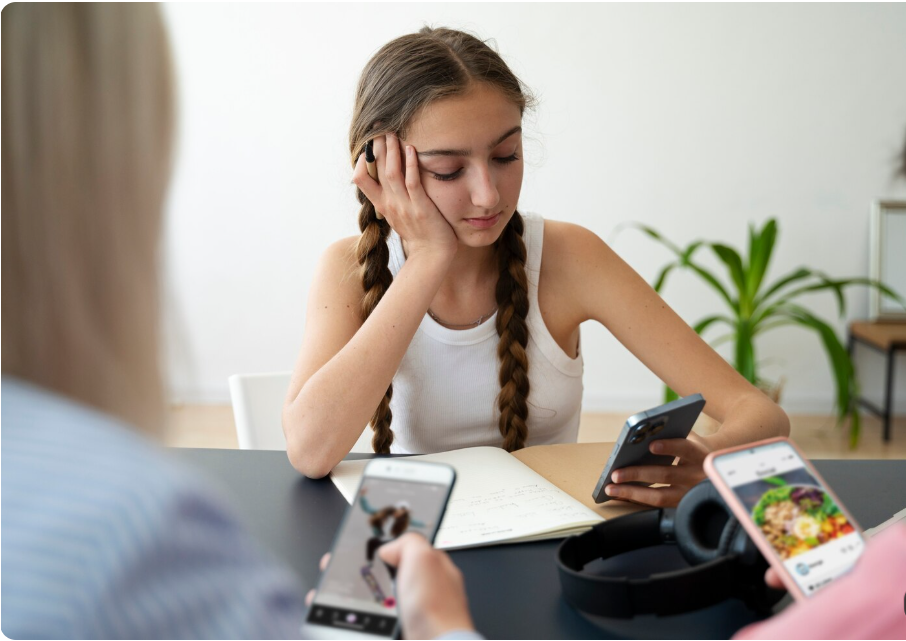
Social media has become an important part of everyday life. Millions of people use platforms such as Instagram, Facebook, TikTok, Snapchat, YouTube, and X to communicate, share experiences, follow trends, learn new information, and stay connected with friends and family. Although these platforms offer many benefits, concerns about their effects on emotional and psychological well-being have increased.
So, does social media affect mental health? Yes. Social media can affect mental health in both positive and negative ways. Its impact depends on how frequently someone uses it, the type of content they view, their online interactions, their age, and their personal circumstances.
For some people, social media provides friendship, emotional support, creativity, and access to helpful information. For others, excessive use or negative online experiences may contribute to stress, anxiety, loneliness, poor sleep, low self-esteem, and unhealthy comparisons.
Understanding this relationship can help individuals develop healthier digital habits without completely giving up the benefits of online communication.
Key Takeaways
- Social media can influence mood, self-esteem, sleep, relationships, and emotional well-being.
- Excessive or problematic use may be associated with anxiety, depressive symptoms, loneliness, and stress.
- Comparing personal experiences with carefully edited online content can negatively affect self-image.
- Cyberbullying, harassment, and negative comments can create emotional distress.
- Positive online communities can provide friendship, support, and a sense of belonging.
- The quality of online experiences matters, not just the amount of time spent on social media.
- Setting boundaries, taking breaks, and protecting sleep can support healthier social media habits.
- Parents, educators, and healthcare professionals can help young people develop responsible digital skills.
1. How Does Social Media Affect Mental Health?
Social media affects mental health through the information people consume, the interactions they experience, and the amount of attention they give to online activities.
A person may feel happy after receiving supportive comments or connecting with an old friend. However, the same person might feel discouraged after comparing their appearance, lifestyle, or achievements with someone else’s posts.
Social media can influence several areas of psychological well-being:
- Emotional health: Online experiences may influence happiness, sadness, frustration, or stress.
- Self-esteem: Likes, comments, and comparisons may affect how people evaluate themselves.
- Sleep: Late-night scrolling can delay bedtime and interfere with healthy sleep routines.
- Relationships: Digital communication can strengthen friendships but may also create misunderstandings.
- Concentration: Frequent notifications and checking habits can interrupt studying, working, and other activities.
- Social connection: Online communities can help people find others with similar interests or experiences.
The effects are not identical for everyone. A person’s age, existing mental health, offline support system, and online environment can all influence the experience.
2. Negative Effects of Social Media on Mental Health
Social media is not automatically harmful, but certain patterns of use can create challenges. Understanding these risks is an important step toward using digital platforms responsibly.
Increased Anxiety and Stress
Constant notifications, messages, comments, and updates can create a feeling that people must remain available all the time.
Some users feel pressure to respond quickly, keep up with trends, or maintain an active online presence. They may worry about missing important updates or being excluded from social activities.
This pressure can contribute to stress, particularly when social media becomes difficult to control or begins interfering with everyday responsibilities.
Depression and Low Mood
Research has found associations between certain patterns of social media use and depressive symptoms, particularly among some groups of young people.
For example, repeatedly viewing content that promotes unrealistic lifestyles may make users feel dissatisfied with their own lives. Negative interactions, online rejection, and social isolation may also contribute to emotional difficulties.
However, an association does not prove that social media directly causes depression. Mental health is influenced by many factors, including genetics, relationships, life experiences, physical health, and social circumstances.
Low Self-Esteem and Body Image Concerns
Social media often displays carefully selected photographs, edited videos, and idealised versions of everyday life.
Users may compare their appearance, clothing, fitness, relationships, homes, or achievements with these posts.
Such comparisons can create unrealistic expectations and feelings of inadequacy. Some people may become overly concerned about their appearance or feel that their lives are not as successful as those of others.
This is particularly important for teenagers and young adults who are still developing their identities and self-confidence.
Loneliness and Social Isolation
Having hundreds of online followers does not necessarily mean someone has meaningful relationships.
A person may spend several hours communicating through social media while having limited face-to-face interaction. If online activity replaces personal conversations, family time, or community participation, feelings of loneliness may increase.
Digital connections can be valuable, but they should complement rather than completely replace supportive relationships in everyday life.
Cyberbullying and Online Harassment
Cyberbullying involves using digital platforms to threaten, embarrass, intimidate, or repeatedly target another person.
Examples include:
- Sending threatening or insulting messages.
- Sharing embarrassing photographs without permission.
- Spreading rumours.
- Posting hurtful comments.
- Creating fake accounts to harass someone.
- Excluding or humiliating people in online groups.
Cyberbullying can cause fear, shame, sadness, stress, and social withdrawal. It may also affect school performance, relationships, and confidence.
People experiencing online harassment should save relevant evidence, block or report abusive accounts, and seek support from a trusted person or appropriate authority.
Sleep Problems
Using social media late at night can interfere with healthy sleep habits.
People may continue scrolling because new videos, messages, and posts keep appearing. Screen use can also delay bedtime and make it harder to maintain a consistent sleep schedule.
Poor sleep can affect concentration, mood, memory, and emotional regulation. Creating a screen-free period before bedtime can help protect sleep routines.
3. Positive Effects of Social Media on Mental Health

Although social media has potential risks, it can also support mental well-being when used thoughtfully.
Building Social Connections
Social media allows people to maintain relationships across different cities and countries.
Friends and family members can share updates, celebrate important events, and communicate even when meeting in person is difficult.
For people who have moved away from home, online communication can help maintain a sense of connection.
Finding Emotional Support
Supportive online communities can help people feel understood and less alone.
Individuals dealing with difficult experiences may find communities where members share encouragement, practical advice, and personal experiences.
However, online support should not replace professional mental healthcare when someone needs assessment or treatment.
Increasing Mental Health Awareness
Social media can help spread information about emotional well-being, stress management, therapy, and available support services.
Educational posts and awareness campaigns may encourage people to recognise symptoms and seek help.
It is important to check the reliability of health information because misleading advice and unqualified claims can also circulate online.
Encouraging Creativity and Self-Expression
People use social media to share photography, writing, music, artwork, educational projects, and personal interests.
Creative activities can provide enjoyment and opportunities for self-expression.
Positive feedback from supportive communities may also help people develop confidence and discover new interests.
Access to Learning and Resources
Educational accounts, professional organisations, and mental health awareness pages can provide useful information.
Users can discover relaxation techniques, study resources, exercise ideas, and general well-being guidance. They should still evaluate sources carefully before following health advice.
4. How Social Media Affects Teenagers and Young Adults
Teenagers and young adults may be particularly sensitive to some online experiences because adolescence and early adulthood involve important changes in identity, relationships, emotional development, and self-confidence.
Social media can provide opportunities to connect with friends and explore interests. However, it can also expose young people to harmful comparisons, inappropriate content, cyberbullying, and pressure to gain online approval.
Social Comparison
Teenagers may compare their appearance, popularity, friendships, or achievements with people they follow.
Because online profiles often show selected highlights rather than everyday reality, these comparisons can create unrealistic expectations.
Fear of Missing Out
Fear of missing out, commonly called FOMO, describes the feeling that other people are enjoying experiences or opportunities without you.
Seeing photographs of parties, holidays, social gatherings, and achievements can make some users feel excluded or dissatisfied.
Online Approval and Self-Worth
Some young people may connect their self-worth with likes, comments, views, and follower counts.
When posts receive less attention than expected, they may feel disappointed or embarrassed. Developing confidence beyond online feedback is an important part of healthy digital behaviour.
Exposure to Inappropriate Content
Young users may encounter violent material, harmful challenges, unrealistic beauty standards, or misleading health information.
Age-appropriate privacy settings, parental guidance, reporting tools, and open conversations can help reduce some of these risks.
5. Social Media and Mental Health: A Comparison of Benefits and Risks
| Area | Potential Positive Effect | Potential Negative Effect |
|---|---|---|
| Relationships | Helps people stay connected | May replace meaningful offline interaction |
| Self-esteem | Encouraging feedback can build confidence | Comparison may reduce self-confidence |
| Emotional support | Provides supportive communities | Negative comments can cause distress |
| Education | Offers learning resources | Misinformation can spread quickly |
| Sleep | Relaxing content may help some users unwind | Late-night scrolling can delay sleep |
| Creativity | Encourages expression and sharing | Pressure for approval may create stress |
| Awareness | Promotes mental health education | Unverified health claims may mislead users |
The same platform can produce different experiences depending on the content, people, and habits involved.
6. Warning Signs That Social Media May Be Affecting Your Mental Health
It can be helpful to notice changes in behaviour, mood, and daily routines.
Possible warning signs include:
- Feeling anxious when unable to check social media.
- Spending more time scrolling than intended.
- Regularly comparing your appearance or lifestyle with others.
- Feeling upset after reading comments or viewing certain posts.
- Losing sleep because of late-night phone use.
- Avoiding family, friends, or hobbies to remain online.
- Having difficulty concentrating on school or work.
- Feeling pressured to post frequently.
- Experiencing sadness after using particular platforms.
- Continuing to use social media despite negative effects on daily life.
These signs do not automatically indicate a mental health disorder. However, if they persist or interfere with everyday activities, it may be useful to discuss them with a qualified healthcare professional.
7. How to Use Social Media in a Healthy Way
Healthy social media use does not necessarily mean deleting every account. It means developing habits that allow you to enjoy online benefits while protecting your emotional well-being.
Set Daily Usage Boundaries
Decide when and how long you want to use social media.
You can use built-in screen-time tools to understand your habits and set reminders. Instead of focusing only on a strict time limit, consider whether social media is interfering with important activities.
Avoid Social Media Before Bedtime
Try to stop scrolling before going to sleep.
Keep your phone away from your bed if you frequently check notifications at night. Establishing a consistent bedtime routine can support better sleep.
Unfollow Negative Accounts
Review the accounts you follow.
Unfollow, mute, or hide content that repeatedly makes you feel uncomfortable, insecure, angry, or overwhelmed. Follow accounts that provide useful information, encouragement, creativity, or genuine enjoyment.
Prioritise Real-Life Relationships
Make time for in-person conversations, family activities, exercise, and hobbies.
Online communication can strengthen relationships, but personal interaction remains important for building meaningful connections.
Turn Off Unnecessary Notifications
Frequent alerts can interrupt concentration and encourage repeated checking.
Disable notifications that are not important. You can also create specific periods for checking messages rather than responding immediately to every update.
Take Regular Digital Breaks
A digital break means spending a planned period away from social media and other unnecessary screen activities.
Use this time for walking, reading, cooking, exercising, spending time outdoors, or meeting friends.
Think Before Sharing
Avoid posting private information, personal photographs, or emotional messages without considering their possible consequences.
Review privacy settings and remember that online content can sometimes be copied or shared beyond its intended audience.
Check Information Before Believing It
Do not assume every health claim, photograph, or news story is accurate.
Look for reliable sources, check dates, and be cautious about advice that promises instant results or encourages unsafe behaviour.
8. The Role of Parents and Schools in Promoting Digital Well-Being
Parents and schools can help young people build healthier relationships with technology.
The goal should be to teach responsible use rather than relying only on punishment or strict restrictions.
Encourage Open Communication
Parents should create an environment where children feel comfortable discussing online experiences.
Ask about the content they enjoy, the people they interact with, and whether anything online has made them uncomfortable.
Teach Digital Literacy
Young people should learn how to identify misinformation, recognise online manipulation, protect personal information, and respond to cyberbullying.
Digital literacy also includes understanding that online photographs and videos may be edited or selectively presented.
Establish Family Technology Rules
Families can agree on practical boundaries, such as:
- Keeping phones away during meals.
- Avoiding unnecessary screen use during homework.
- Creating screen-free bedtime routines.
- Using age-appropriate privacy settings.
- Taking breaks from entertainment platforms.
Rules should be realistic and adjusted as children grow older.
Provide School-Based Support
Schools can include digital citizenship, online safety, emotional well-being, and anti-bullying education in student support programs.
Teachers and counsellors can also help students who experience online harassment or social pressure.
9. Does Social Media Cause Anxiety and Depression?
This is one of the most common questions about social media and mental health.
Research suggests that certain forms of social media use are associated with anxiety and depressive symptoms. However, the relationship is complex.
Several factors may explain why some users experience negative effects:
- Social comparison: Constant exposure to idealised lifestyles can create dissatisfaction.
- Online harassment: Negative interactions can cause emotional distress.
- Sleep disruption: Late-night use may affect sleep quality and mood.
- Compulsive checking: Repeatedly checking platforms can interfere with daily responsibilities.
- Existing difficulties: People experiencing loneliness, anxiety, or low mood may use social media differently from others.
It is also possible for people experiencing emotional difficulties to turn to social media for comfort or connection. This makes it difficult to determine whether social media is a cause, a consequence, or one of several contributing factors.
The most accurate conclusion is that social media can influence mental health, but its effects vary from person to person.
10. Social Media and Mental Health Research: What Should We Understand?
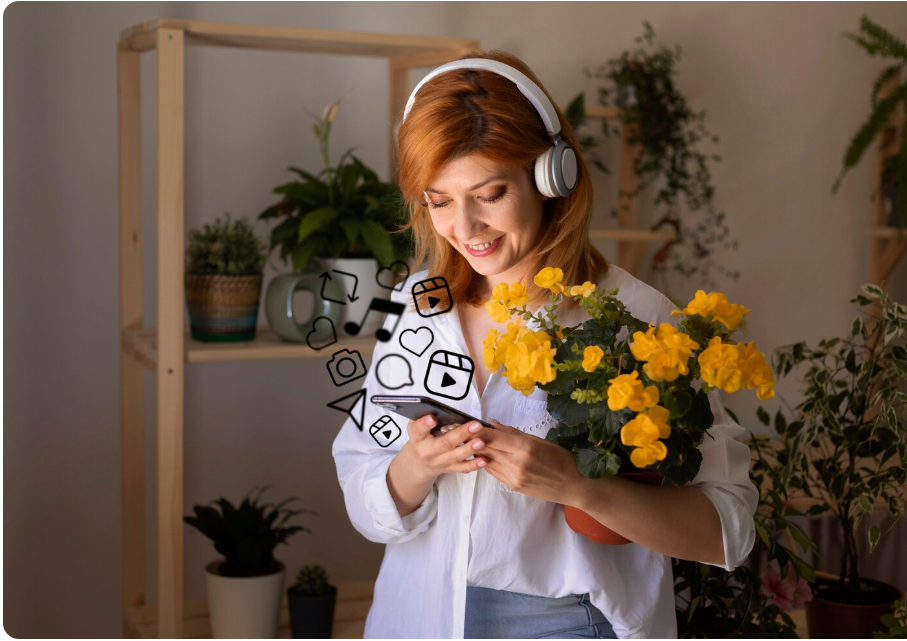
Research on social media and mental health examines several questions:
- How much time do people spend on different platforms?
- Does passive scrolling affect mood differently from active communication?
- How does online comparison influence self-esteem?
- What role does cyberbullying play in emotional well-being?
- How does social media use relate to sleep?
- Which online experiences support social connection?
Researchers increasingly distinguish between different types of use rather than treating all screen time as the same.
For example, having a supportive video call with a friend is different from spending hours comparing your appearance with influencers. Both involve digital platforms, but the emotional experiences may be very different.
The American Psychological Association has highlighted the importance of considering adolescent development, individual differences, and the content young people encounter online.
11. Practical Daily Habits for Better Mental Health
Small changes in daily routines can make social media use more balanced.
| Daily Habit | How It May Help |
|---|---|
| Avoid checking your phone immediately after waking | Creates a calmer start to the day |
| Set specific social media periods | Reduces unnecessary checking |
| Take outdoor breaks | Encourages physical activity and relaxation |
| Spend time with friends and family | Supports meaningful relationships |
| Turn off unnecessary alerts | Reduces digital interruptions |
| Avoid screens before bedtime | Protects sleep routines |
| Follow positive and informative accounts | Improves the quality of your online experience |
| Schedule regular offline activities | Creates balance beyond digital platforms |
These habits are flexible suggestions rather than medical treatments. Choose changes that are realistic for your routine and needs.
12. When Should You Seek Professional Mental Health Support?
If social media use is contributing to persistent anxiety, sadness, sleep problems, isolation, or difficulties with everyday responsibilities, consider speaking with a qualified mental health professional.
A psychologist, psychiatrist, counsellor, or other appropriately qualified healthcare provider can help assess your concerns and discuss suitable support.
Seek help promptly if emotional distress becomes severe or you feel unable to keep yourself safe. If there is immediate danger, contact local emergency services or a trusted person who can help you access urgent support.
You do not need to wait until a problem becomes overwhelming before asking for help.
13. Frequently Asked Questions (FAQs)
1. Does social media negatively affect mental health?
Social media can negatively affect mental health when use becomes excessive or involves harmful content, cyberbullying, unhealthy comparisons, or disrupted sleep. However, it can also support friendships, learning, creativity, and emotional connection. The effects depend on how and why someone uses it.
2. Can social media cause anxiety and depression?
Some research has found associations between certain patterns of social media use and anxiety or depressive symptoms. However, this does not establish that social media directly causes these conditions. Personal circumstances, existing mental health, sleep, relationships, and online experiences also matter.
3. How does social media affect teenagers’ mental health?
Social media may influence teenagers’ self-esteem, body image, sleep, relationships, and emotional well-being. Cyberbullying, social comparison, inappropriate content, and pressure for online approval can create challenges. Supportive communities and responsible use can also provide benefits.
4. How can I protect my mental health while using social media?
Set reasonable usage boundaries, avoid late-night scrolling, turn off unnecessary notifications, unfollow harmful accounts, take regular breaks, and prioritise offline relationships. Be careful about the information you trust and seek professional support if emotional difficulties persist.
5. Is taking a break from social media good for mental health?
A break may help some people reduce distractions, improve their daily routines, and understand how social media affects their mood. However, the benefits vary. A short, planned break can be a useful way to evaluate your habits and decide which changes are helpful.
| Read more: Cheap Flights to Hong Kong: Best |