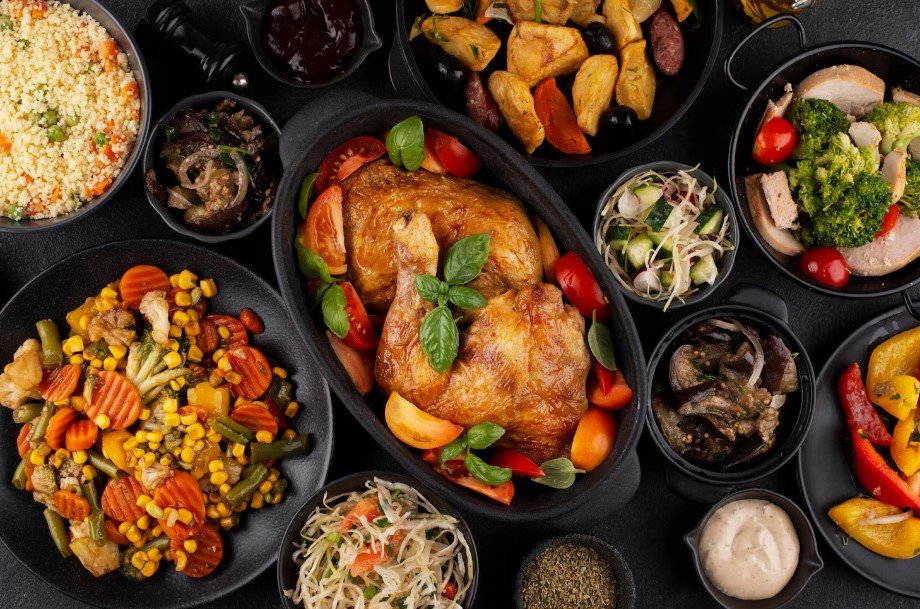
Food is one of the most powerful ways to experience a new destination. Culinary traditions reveal culture, history, and local lifestyle in a way that sightseeing alone cannot. From street food stalls to fine dining restaurants, food travel allows you to taste the heart and soul of a place, making your journey unforgettable. Whether you’re a seasoned foodie or an adventurous traveler, combining travel and gastronomy transforms any trip into a multi-sensory adventure.
Why Food Travel Matters
Culinary experiences are more than just meals—they’re cultural encounters. Tasting local dishes connects you with traditions, ingredients, and cooking techniques that have been refined over generations. Food travel provides:
- Cultural Insight: Learn about customs, festivals, and local history through cuisine.
- Authentic Experiences: Interact with locals, explore markets, and discover hidden eateries.
- Memorable Moments: Shared meals create lasting memories with friends, family, or fellow travelers.
Food travel allows you to engage your senses, making every bite a story and every meal an adventure.
Planning Your Food Journey
To get the most out of food travel, plan strategically while leaving room for spontaneity:
- Research Local Specialties: Identify signature dishes, drinks, and snacks unique to your destination.
- Seek Recommendations: Ask locals, read blogs, or check food guides for authentic spots.
- Schedule Culinary Experiences: Cooking classes, food tours, and market visits can deepen your understanding.
- Budget for Meals: Gourmet dining, street food, and casual cafes all offer valuable experiences.
Balancing research with flexibility ensures you enjoy both planned culinary adventures and spontaneous discoveries.
Explore Street Food
Street food is often the heartbeat of a city, offering affordable, flavorful, and authentic options:
- Try local snacks and beverages that are popular among residents.
- Visit bustling markets for fresh produce, spices, and ready-to-eat treats.
- Observe preparation methods and ingredients to understand culinary traditions.
Street food not only satisfies hunger but also provides a glimpse into daily life and local culture.
Fine Dining and Local Restaurants
While street food offers raw authenticity, local restaurants provide a curated dining experience:
- Regional Dishes: Sample meals crafted from traditional recipes passed down through generations.
- Chef Experiences: Some restaurants offer interactive cooking demonstrations or tasting menus.
- Ambiance Matters: Dining settings often reflect cultural aesthetics and hospitality customs.
From family-run eateries to Michelin-starred restaurants, exploring local dining scenes enhances your understanding of a destination’s culinary landscape.
Culinary Activities and Experiences
Food travel goes beyond eating—it’s about participation and immersion:
- Cooking Classes: Learn to prepare local dishes with guidance from experienced chefs.
- Market Tours: Explore markets, meet vendors, and discover ingredients used in daily cooking.
- Food Festivals: Attend cultural food events to experience regional specialties, music, and traditions.
- Winery or Brewery Tours: Discover local beverages, production methods, and tasting rituals.
Engaging in culinary activities provides hands-on knowledge and unforgettable memories that go beyond the plate.
Tips for Enjoying Food Travel
- Stay adventurous: Try dishes outside your comfort zone.
- Prioritize hygiene: Look for busy vendors and clean preparation areas.
- Learn basic food phrases in the local language for better communication.
- Take photos and notes to document your culinary journey.
- Balance indulgence with moderation to maintain energy for exploring.
A thoughtful approach ensures a rich and safe gastronomic experience while traveling.
Benefits of Food Travel
- Cultural Understanding: Food reflects history, beliefs, and regional identity.
- Memorable Connections: Sharing meals fosters connections with locals and fellow travelers.
- Adventure for the Senses: Tasting new flavors, textures, and aromas enhances your travel experience.
- Inspiration: Food travel can inspire your own cooking, creativity, and appreciation of global cuisine.
Culinary experiences transform travel into an immersive, sensory journey, making memories that linger long after the trip ends.
Final Thoughts
Food travel is an essential aspect of exploring the world. From street snacks to fine dining, from markets to cooking classes, culinary experiences allow travelers to taste, smell, and savor a destination’s culture.
By embracing local cuisine and food-related activities, you gain insight into traditions, connect with communities, and create unforgettable memories. Every bite tells a story, every meal is a window into the local way of life, and every culinary adventure adds richness to your journey.
Traveling for food transforms ordinary trips into extraordinary experiences. Whether you’re wandering through a vibrant market, learning to cook a traditional dish, or enjoying a local delicacy with new friends, food becomes the thread that weaves culture, adventure, and memory together.
Savor every bite, explore fearlessly, and let food guide your journey through the world’s most delicious and authentic experiences.