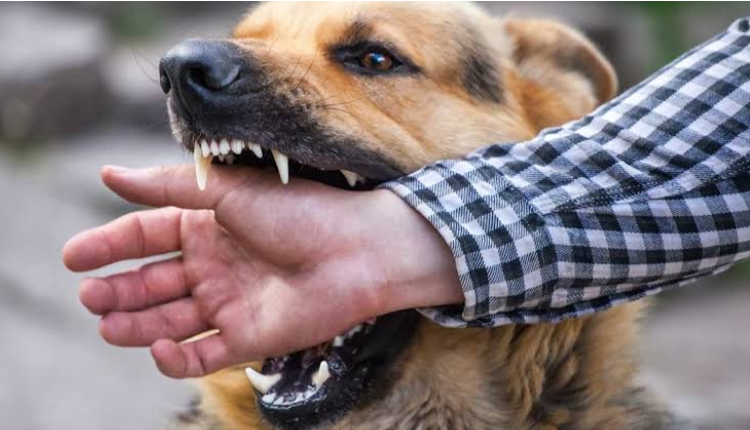
After a dog attack, everything seems like a blur. Between the pain, the visits to the hospital, and the fear of encountering any dog, the law seems like the last thing that you would want to deal with. Nevertheless, the first few days after the attack are the most crucial time to build a case. An investigation doesn’t just happen on its own; it is a methodical process of collecting facts.
If you don’t know what to look for, you might miss the small details that make the difference between a successful claim and a rejected one. You need a dog bite lawyer early in the process to guide you through these investigations. They know exactly which stones to overturn to find the evidence needed to hold the owner responsible.
An investigation is essentially the process of turning a chaotic memory into a structured legal record. It isn’t just about the bite; it’s about proving who is at fault and why the incident was preventable. Let’s look at what that process actually entails for a victim.
The Immediate Scene Analysis
The investigation starts the moment you are attacked. While your health is the absolute priority, documenting the scene is the next best thing you can do for your future self. If you are unable to do this, try to have a friend or family member visit the site.
- Property Condition: Was there a hole in the fence? Was the gate left wide open? Was the dog roaming on public property? These details establish whether the owner was negligent.
- Signs of Danger: Are there “Beware of Dog” signs present? This can be a double-edged sword, but it proves the owner knew the dog was a potential threat.
- Surroundings: Take photos of the area from multiple angles. It helps investigators visualize exactly how the encounter happened.
The Role of Animal Control and Law Enforcement
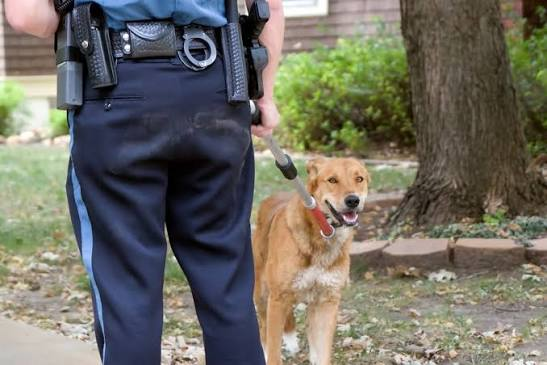
In almost every serious bite case, an investigation by local authorities is triggered. This is a vital part of your case. Officers will create a report that serves as the “official” version of events.
However, don’t assume the police report is perfect. Authorities are busy, and they might miss subtle details or fail to interview key witnesses. Your lawyer will review this report carefully. If they find missing info, they will conduct their own supplemental investigation to fill in those gaps.
Witness Interviews
Memories fade, and stories change over time. An effective investigation involves capturing witness statements as early as possible. If a neighbor saw the dog barking at people all week, or if a passerby saw the owner ignoring the dog’s behavior, that testimony is gold.
A dog bite lawyer knows how to conduct these interviews without appearing aggressive. They want to get the raw facts before the owner has a chance to convince the witnesses to change their tune. Professional investigators are often brought in to document these conversations in a way that will hold up in court months or even years later.
Tracking the Dog’s History
One of the biggest hurdles in a bite case is proving that the owner should have known better. Did the dog have a history of aggression? Had it snapped at someone else before?
Investigators go on a digital and paper scavenger hunt. They look through:
- Medical Records: Vet records often note if a dog has been muzzled or seen for aggression issues.
- Social Media: Owners often post videos of their dogs behaving aggressively, thinking it looks “tough.” These posts are frequently used as evidence of the owner’s knowledge of the dog’s temperament.
- Past Complaints: They pull records from local animal control agencies to see if there were prior reports of the dog running loose or causing trouble.
The Medical Investigation
You might think your medical records are straightforward, but in a legal investigation, they are scrutinized deeply. The firm will look for specific documentation that connects your wounds to the bite.
For example, the team at The Lackey Law Firm use these records to build a timeline. They want to show the insurance company exactly how your life was impacted, from the initial trauma to the long-term scarring and emotional toll. They don’t just count the stitches; they look for the long-term implications of your injury.
Connecting the Dots
Once all the information is gathered the scene photos, the police reports, the witness stories, and your medical history the real work begins. Your legal team organizes this evidence to construct a narrative.
This is where the distinction between “a bad accident” and “owner negligence” becomes clear. The investigation is the bridge that turns your personal experience into a persuasive legal claim that cannot be easily dismissed by a skeptical insurance adjuster.
Why Speed Matters
Time is the enemy of any investigation. However, fences can be repaired, witnesses can leave, and even digital evidence can be erased. The more time you waste before starting this process, the more difficult it will be for you to get the necessary evidence.
If at the moment you are recovering from an attack, then you should consult a dog bite lawyer. They can hit the ground running with the investigation while you focus on the most important thing: getting back to your normal life.
Final Thoughts
An investigation is a daunting task, but you aren’t doing it alone. By having a legal team handle the heavy lifting, you ensure that no detail is left behind and that the owner’s negligence is fully exposed. You don’t have to be a detective to get justice; you just need to work with someone who has the experience to demand it.
Frequently Asked Questions
Q. How long does a dog bite investigation take?
It varies based on the complexity of the case. A straightforward incident might take a few weeks to investigate, while cases involving multiple witnesses or disputed facts can take several months to resolve fully.
Q. Will I be involved in the investigation process?
You will be the primary source of information, but you won’t be doing the legwork. Your legal team handles the document requests, witness interviews, and expert coordination so you can recover in peace.
Q. What if there are no witnesses to the attack?
It happens more often than you think. In these cases, we focus on the physical evidence, the dog’s prior history, and the owner’s negligence regarding property security to build a strong case.
Q. Can I conduct my own investigation?
You can, but it is risky. You might accidentally say the wrong thing to the owner or mishandle evidence in a way that hurts your case. It is much safer to let a professional investigator handle the process.
Q. Why do I need to preserve my clothing?
Yes, keep it. Your torn clothes and any items you were holding when the dog attacked are physical evidence of the struggle and the severity of the incident. It helps provide context for the court regarding the violence of the encounter.